Iraq Combat Scars How Vets Heal Differently Now
recovery"In Iraq, everything either shot at you, blew up around you, or you fell off of it because it was crumbling around you." Boone on combat impact — to think otherwise is to minimize how hard it is on all of us. Everybody carries something. The question is how we heal differently now than we used to.
Share & Download
Transcript
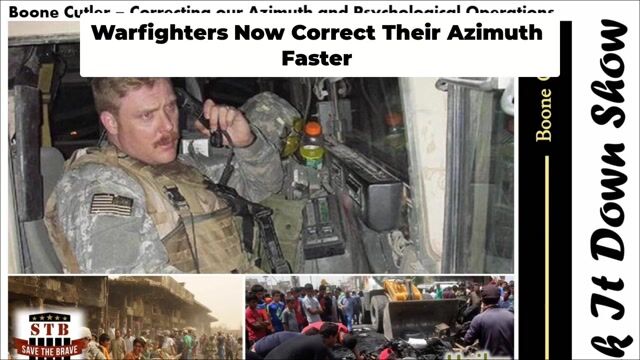
it's usually pretty significant over the course of their life to think otherwise is to minimize how hard it is on all of us to go do these things. Everybody I know on some level, you stay put it this way. I know in Iraq, you, everything either shot at you, blew up around you, or you fell off of it because it was just, it was crumbling around you. And that was the environment. So yeah, there's plenty of people getting hurt. I mean, you don't, And there was just a lot of slugging it out. But, you know, I don't – I think it's interesting that a lot of people – like I said, the beautiful thing about our community now is that we have something to bitch about. In 2009, we didn't. There was nothing there. Yeah. All right. I like it. So what have we learned? How are we better with the things that we have to go through, you know, post-combat, post-deployment. What are we better at doing now that no other generation? Apart from telling the story, what do we have going for us? I'll tell you what we're better at. I think we're better at correcting our azimuth Hey, this is P.A. Turner from Lions Rock Productions. We create podcasts around here. And if you, your brand, or your company want to figure out how to do a podcast, just talk to me. I'll give you the advice on the right gear. The best plan is show you how to take a podcast that makes sense for you, that's sustainable, that's scalable, and fun. Hit me up at Pete at BreakItDownShow.com. Let me help. I want to hear about it. I think we're better at correcting our azimuth a lot faster than You know, like if you're a warfighter, you've got you've still got an element of accountability. We can still live by that ethos because there's a group of people that we can we can associate with online who will say, hey, dude, you're fucking drinking too much. knock that shit off or you know or your guy's gonna be like hey man it's fucking rough day but it's only one day tomorrow's another day get get through this one you know and and I don't think that was happening in the past and because it didn't happen in the past I think these problems manifested generationally okay I'll give you an example my grandfather I've talked about this for his longest held POW in World War II he was captured on Guam on December 8th the day after the Pearl Harbor attack Wow And he spent the entire war in captivity. Well, he raised my father. My father was a Vietnam veteran. I served in Iraq. But I guarantee you, like when my father was growing up, they laughed about it. They made a joke about it. Like, you know, they'd be walking through town and my grandfather would tell, you know, his son and his daughter, which was my dad and his sister, to stand outside of a bar while he went inside and had a drink. And they would literally stand outside the bar because they can go inside and he would go inside and have a drink. Well, you know, that went on his entire life. Yeah. And he was part of the POW MIA groups and all that stuff. But they all kind of did that because they had nobody there in the immediacy who could kind of say, hey, instead of doing that, let's do something else. And so they didn't have that.
Continue the Journey
This video is part of a guided experience. Watch the full story in order.
Start the Recovery Journey →