Recovery
“The Zombie Cocktail is killing us. Here's another way.”
Boone spent years trapped in the VA's pharmaceutical cycle — opioids, psych meds, sleeping pills. He called it the Zombie Cocktail. Then he found alternatives that actually worked: cannabis for sleep, stem cells for physical repair, and the people who refused to let him fight alone. This is that story, in his own words.
The Trap
The VA's standard cocktail of psych meds, opioids, and sleeping pills isn't healing warfighters — it's sedating them. Boone called it the Zombie Cocktail. Blast wave injuries get mislabeled as PTSD. Physical brain damage gets treated with psychiatric medication. The result: dependency, declining will, and warfighters who can't fight their way back.
“We've completely convoluted the whole issue and as a result, there have been a lot of people that have come back from war that have been put on psych meds, made them more suicidal. They died or they've just completely lost the will to do anything.”
— Boone Cutler
“If you could see TBI on someone's arm, you would treat them completely differently.”
— Boone Cutler
The drugs don't just sedate you. They take something else — something you don't notice until it's almost too late.
The Darkest Moment
If you’re in that place right now: 988, press 1. You can also text 838255. The Spartan Pledge is a battle plan — not a goodbye.
The drugs are supposed to stop the impulse to hurt yourself. But when you're already there, they also stop the impulse to stay alive. Boone held his trigger and the only thing that kept him going was a question: why don't I want to stop? That curiosity — that intellectual refusal to just roll with it — saved his life.
“The only reason I didn't pull my trigger is because I was like — why don't I want to stop? Why don't I have a sense of self-preservation? The curiosity kind of kept me going.”
— Boone Cutler
“It's so easy to make you kill yourself when you don't have a sense of self-preservation. And that's what those drugs do.”
— Boone Cutler
Boone survived that night. Then he did something the system told him not to do — he walked away from the drugs.
The Break
Boone did 17 days in a lockdown unit coming off VA drugs. He'd tried every modality, every medication, every protocol the system had to offer. Then someone suggested cannabis. His response: "I'm not that kind of guy." But he'd tried everything else. So he tried it. And everything changed.
“I did 17 days in a lockdown unit coming off the drugs. I've tried everything medical science has to offer. I've done every modality. I've done every drug. I haven't tried cannabis. And I'll tell you what I came away with — I wish I would have done cannabis first.”
— Boone Cutler
“In 2010, you couldn't get anybody to respond to you when it came to cannabis. I'm kind of like the Snoop Dogg of the warfighter community.”
— Boone Cutler
Getting off the drugs was just the beginning. The opiates had already done their damage — kidneys at stage three, heart failing. Boone needed something the US couldn't offer.
The Healing
The opiates blew out Boone's kidneys — stage two, stage three kidney disease. That was destroying his heart. He went to Panama for expanded stem cell therapy because the US wouldn't do it. The FDA isn't working for us, he said. They're working for the people who sell drugs. But the stem cells worked. "That's my story. It truly did save my life."
“The kidneys were blown out from opiates, just blown out. And all that stuff almost killed me. Stem cells — that's my story. It truly did save my life.”
— Boone Cutler
“I woke up one morning with a gallon of ice cream in the bed, a spoon, ice cream's gone, and 12 pairs of sunglasses. Evidently they had a sale at 7-Eleven that night.”
— Boone Cutler — on Ambien
Boone found his way back. But what about the people who held him up through all of it? The spouses. The caregivers. The invisible casualties.
The Family
The invisible casualties of war are the families. Wives who can't work. Spouses managing medication schedules and TBI episodes. Samantha came into the caregiver program at 22 — two babies, overwhelmed, alone. Through mentorship and connection, she became a community leader. Healing the warfighter means healing the family.
“Every warfighter needs two things to survive in any operational environment — a battle buddy and a mission.”
— Boone Cutler
“I see the wives finding each other. It's as simple as — are they going to forget to turn off the stove? Are they going to miss a medication time? It's the simplest things and the hardest things.”
— Caregiver Mentor — Tipping Point
Explore Recovery by Topic
Six themed paths through the Recovery library — go deeper into the parts that matter most to you.
The Zombie Cocktail Is Killing Us
“The meds were supposed to help. They're killing us instead.”
Combat trauma gets diagnosed as PTSD. The meds for PTSD suppress more than the symptoms. Boone walks through TBI mislabeling, psych-med suicide mechanics, and the Walter Reed force-medication culture — the diagnostic and pharmaceutical machinery that turned recovery into a slow-motion death sentence for too many warfighters.
Blast Waves Damage Ptsd Psych Meds Burn Pits Explained
Drugs Suppress Urges Life After Military Explained
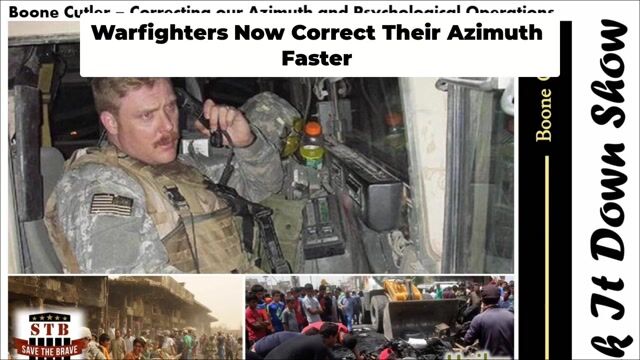
Iraq Combat Scars How Vets Heal Differently Now
Doctors Manipulating Us Hemp Vs Prescription Drugs
Veterans Va Suicide Rates Cannabis Ptsd Phobia Shift
Veterans Tbi Ptsd Journey Hope Through Psychedelics Stem Cel
Cannabis Opened the Door
“The first medicine that worked. Boone's recovery story.”
Cannabis isn't the destination — it's the door. Boone walks through his own opiate withdrawal, the night he finally slept five hours after five years without, the safety facts that demolish the gateway-drug myth, and why edibles are riskier than smoking for beginners. The personal story is the on-ramp; the facts are the rails.
Cannabis Saved Me From Opiates My Recovery Story
Sleep Deprived Try Weed My Crazy Story
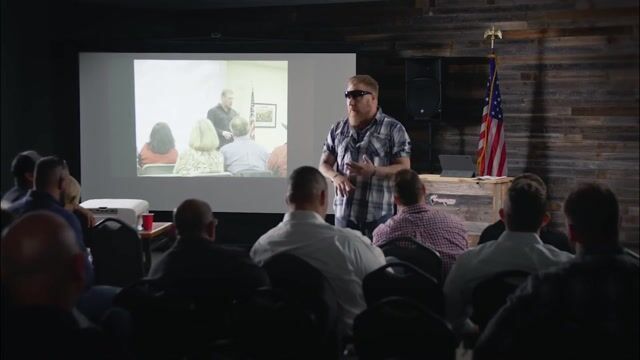
From Ambien Nightmares To Cannabis Clarity My Wildest Story
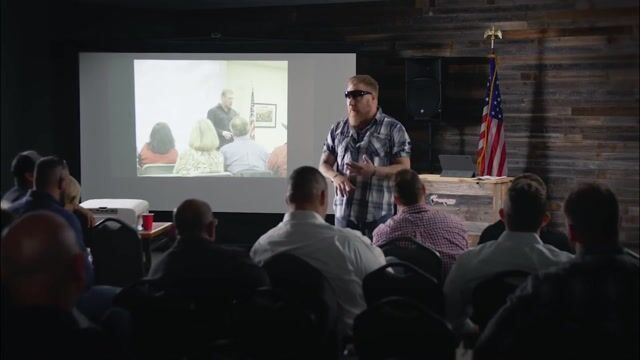
From Ambien Nightmares to Cannabis Clarity
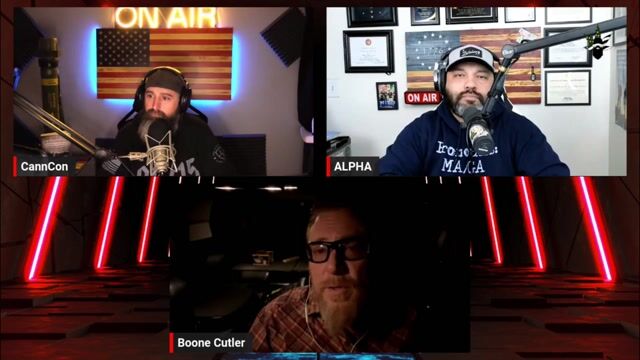
Cannabis Not Lazy Not Addictive Actually Cures
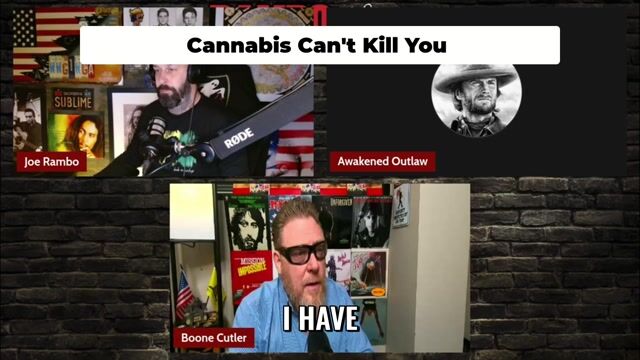
Cannabis Is Safe Forget Energy Drinks Grapes
Cannabis Vs Pharma The Truth They Dont Want You To Know
Cannabis vs. Pharma: The Truth About Veteran Recovery
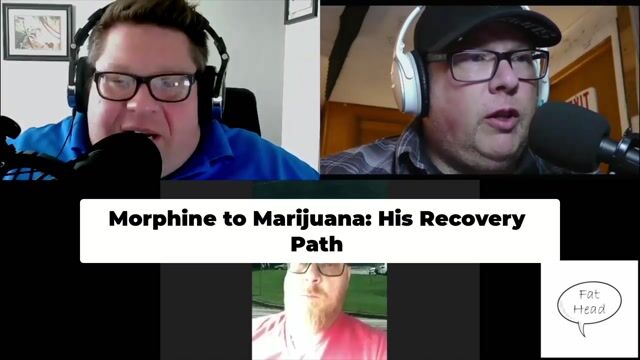
Cannabis Stem Cells The Real Health Revolution Youre Missing
Cannabis Becomes Law
“From crickets in 2010 to a watershed in policy and law.”
Cannabis legalization isn't a stoner story — it's a movement warfighters built. The Spartan Pledge became Oath of Exit law. The Supreme Court touched gun rights through cannabis cards. Police prefer the stoned guy to the drunk guy. State after state took the chance. This topic is the receipt.
Cannabis Legalization Saves Lives Ends Prohibition
Cannabis Legalization Saves Vets Lives Beyond Big Pharma
Supreme Court Cannabis Ruling Veterans Victory For Gun Right
Supreme Court Cannabis Ruling: A Victory for Veterans
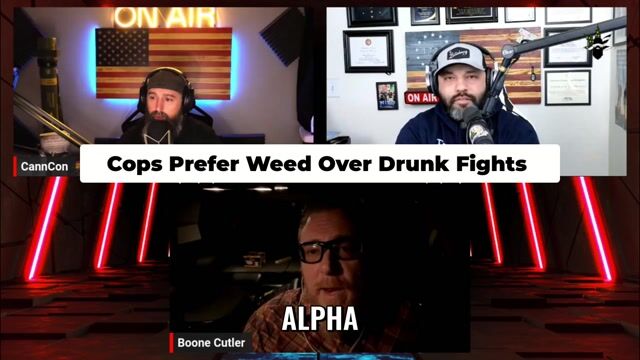
Police Prefer Weed Over Drunk Fights Excop Reveals All
Vietnam Vets Cannabis Vs Booze Vas Wild Cannabis Stance
Billionaires Ignore Cure Fighting Disease Like Cannabis
Stem Cells: The Future of Medicine
“Cannabis opens the door. Stem cells walk you through.”
Stem cell therapy isn't sci-fi — it's the medicine the US can't legally deliver yet. Boone tells his kidney recovery story, walks through the Panama and Mexico protocols, and lays out the longevity stack: hyperbaric oxygen, hormone replacement at 35, intermittent fasting. "There's no money in cured people" is the system critique. The protocol is the answer.
Stem Cells and Cannabis: The Future Beyond Big Pharma
Stem Cells The Future Of Health Cannabis Vs Big Pharma
Cannabis Stem Cells The Real Health Revolution Youre Missing
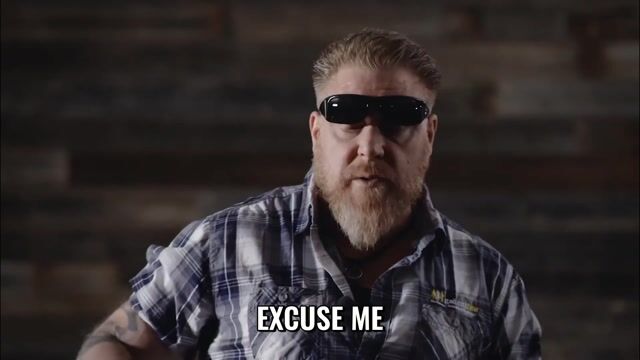
Kidney Damage Neardeath Stem Cells Street Leadership Secrets
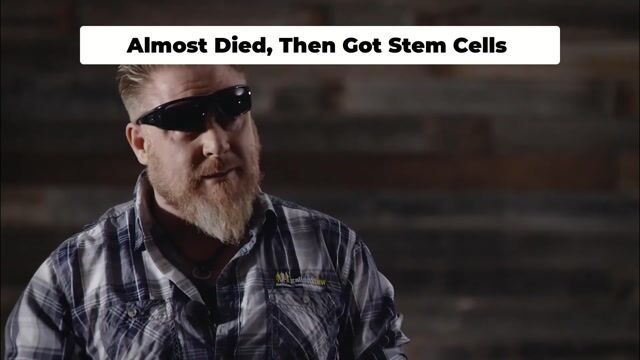
From Near Death to Recovery: The Stem Cell Story
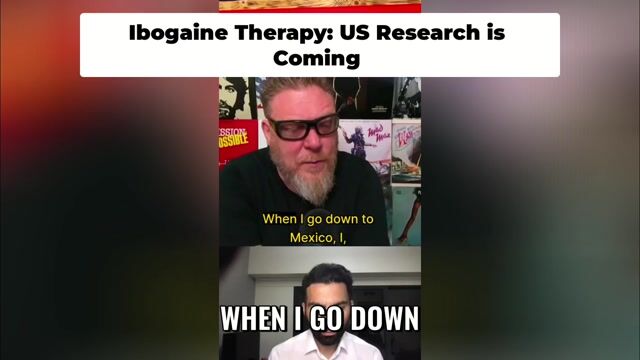
Medical Checks In Mexico Your Realtime Health Clearance
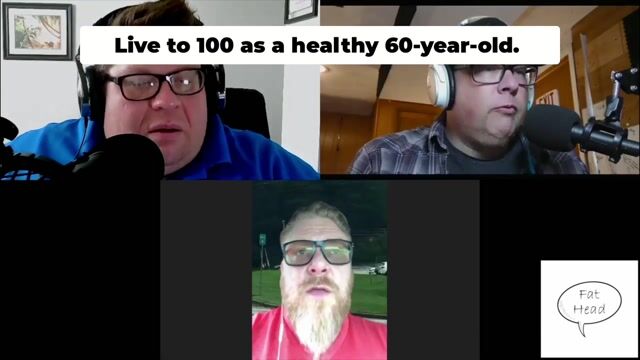
Unlock 100 Healthy Years Oxygen Stem Cells Hormones
Billionaires Ignore Cure Fighting Disease Like Cannabis
Outdated Healthcare Sucks Build Your Own Future Now
Psychedelics: The Brain Frontier
“What's next, by the man pharma shut down in the 60s.”
Psychedelic therapy works on the brain the way stem cells work on the body — actual repair, not suppression. Ibogaine, ketamine, psilocybin. Boone has the credibility on this at the highest levels and the wariness that pharma will try to control it the same way they did opioids. The frontier is open. The fight is whether it stays clean.
Opioid Crisis The Shocking Truth Psychedelics As The Cure
Psychedelic Therapy The Future Vs Pharmas Past
Psychedelics Big Pharmas Grip Vs Real Healing
Ibogaine Therapy Unpopular Opinion Breakthrough Research
Unplug From Addiction Psychedelics Ai And Your Digital Detox
Veterans Tbi Ptsd Journey Hope Through Psychedelics Stem Cel
Veterans Journey War Politics Psychedelics Modernization
Heal Together: Family, Sleep, Discipline
“No warfighter heals alone. The discipline of getting well.”
Stem cells and cannabis are tools. Recovery is what you build around them — a caregiver who knows you, a CPAP you actually wear, a swim that's about health not winning, a book that puts it all in one place. "Every warfighter needs two things to survive — a battle buddy and a mission." Heal first. Then lead.
Caregiver Support From Lost To Leader Hope Found
Caregivers Unite Find Support Share Your Voice
Veteran Caregiver Program Financial Aid Health Benefits More
Va Caregiver Stipends Health Benefits Explained
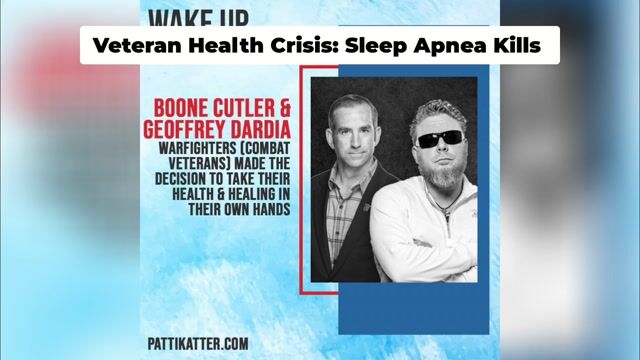
Warriors Heal Military Secrets To Conquer Sleep Health
Military Health Secrets Master Sleep Beat Disability
Swim Your Way To Health Beat Ego Boost Mood
Unlock Your Health Simple Solutions For Veterans You
Pain Relief That Beats Big Pharma Try Canolidine Now
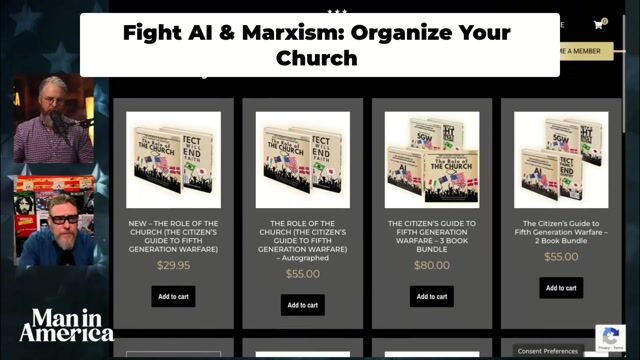
War On Information Books Faith Gut Health Secrets Exposed
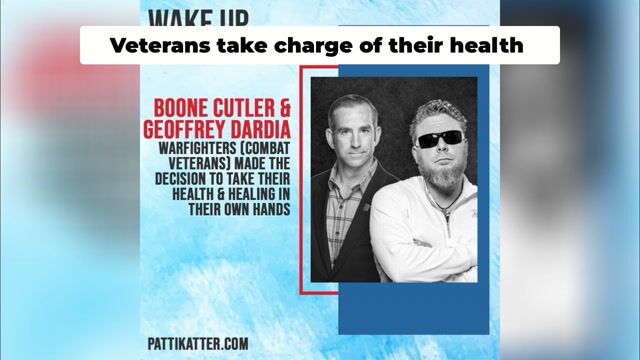
Veterans Fight For Health Their Untold Story
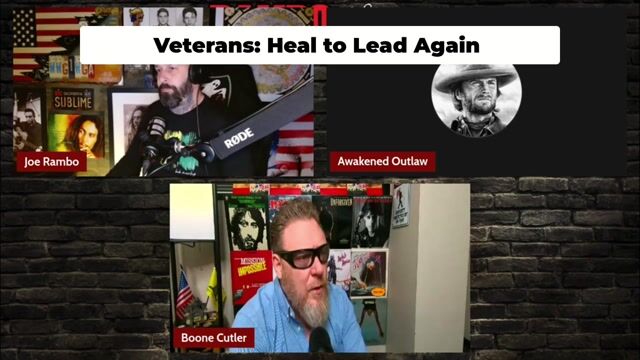
Veterans Heal Fight Addiction Lead Nation
The Zombie Cocktail didn't kill Boone. He built a way out. The Foundation carries that mission forward.
The NAD+ Warrior Retreat gives warfighters 5 days of cellular repair, guided activities, and peer support. $3,500 funds one veteran's full retreat.