Veterans Va Suicide Rates Cannabis Ptsd Phobia Shift
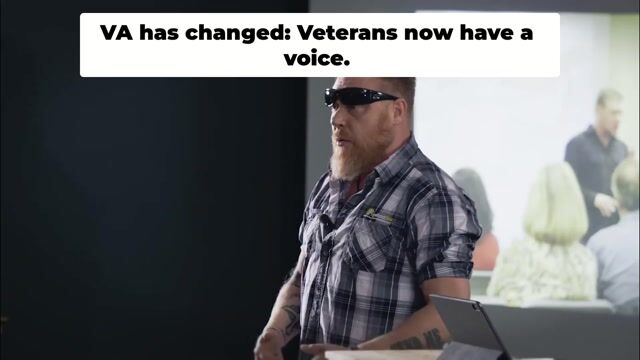
recovery"The highest number of suicides are those that did not report into the VA. Things have changed." Boone on the shift — the VA is getting better, cannabis is becoming less stigmatized, and the phobia around seeking help is breaking down. But the ones dying are the ones who never walked through the door.
Share & Download
Transcript
Right now, people do talk bad about the VA, but you know the highest number of suicides
are those that did not report into the VA.
So things have changed.
Before it was all the guys on the dope.
That's changed, or is changing.
The first time I made a post about cannabis, crickets, crickets.
I was getting high with half of you in the room last night, so.
Something's changed.
Hey man, that one's changed.
Hey, whoa, whoa, whoa.
I'll be on the northeast corner of the hotel this evening.
Bring your own weed.
There's just been things that have changed.
What's changed the most is we've realized we're different.
We are different, and we've carved out our own identity.
We didn't look like we do now.
Just nine years ago, ten years ago.
The t-shirt companies, look around you, everybody's wearing Warfighter t-shirts.
First time. Didn't happen in Vietnam, didn't happen World War II.
The Vietnam guys would come home, they'd wear their fatigues.
These guys came home, and throughout this whole process,
this is what's amazing, throughout this whole process of time
in the United States, there was a thing that came on, and it has a screen.
It's called a television. And you go some other places, there's a bigger screen.
That's called a movie screen. And how did they portray us?
Crazy vet.
Crazy vet. That's the thing that was plugged into everybody's
mind right after Vietnam, a little bit before Vietnam.
Well, how do we get over that identity crisis?
Oh, when I'm over there, I'm getting shot at and blown up,
you love me, I come home, you treat me like I'm a homeless person, you don't want to see me
as you walk down the street. You're afraid of me. PTSD phobia was a real thing.
The Department of Labor's statistic was
46%, nearly half, of all
human resources managers in the country, when that photograph was taken,
nearly half said it was difficult to hire a veteran because of PTSD.
They didn't even know what PTSD was.
It was PTSD phobia that made it difficult to hire
veterans, not PTSD. Because it was PTSD,
a woman who got raped would be difficult to hire.
Someone who went through a natural disaster would be difficult to hire.
None of those people were difficult to hire.
Only we were difficult to hire.
So it had nothing to do with PTSD, it had to do with normalized discrimination
and PTSD phobia. That's what was happening
when that photograph was taken. When that photograph was taken,
if you got out of the military and wanted to go get an apartment,
write down on that apartment application where you lived,
and they go, oh, Fort Rucker, Alabama, what did you do there?
Oh, I was in the Army. Oh, okay, thank you.
Your credit's not good enough to live here, you just got denied. They didn't want to rent to
war fighters because they were afraid we might get a little tipsy one night and start breaking some walls.
Crazy vet, crazy vet.
We weren't that, we were never that. It doesn't happen anymore.
The paradigm has changed and it has to do with that
ability that we've taken upon ourselves. Look at this community.
We're now doing stuff other people were doing. We're here today in a leadership
group and every one of you is talking about
the same thing and that's responsibility.
If there's anything we've learned that we were never taught at any other time
and that's played by the rules of the environment you're in
and that's what we're learning.
Continue the Journey
This video is part of a guided experience. Watch the full story in order.
Start the Recovery Journey →