Psychedelic Therapy The Future Vs Pharmas Past
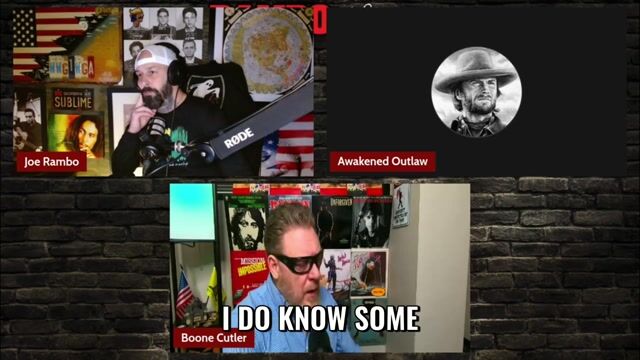
recovery"Somebody challenged me on psychedelics the other day — they didn't know who they were talking to. I was invited to sit on a three-day workshop with the NIH, specifically on psychedelics. Twenty-seven countries on the call." Boone has the credibility on this topic at the highest levels. Ketamine, psilocybin, ibogaine — pharma shut it down in the 60s because it actually cures things. That's changing now.
Share & Download
Transcript
I do know some folks that have had access to ketamine, which they consider, somebody actually challenged me on this the other day, but they didn't know who they were talking to. I was invited to sit on a three-day workshop with the NIH, specifically on psychedelics. And I used to say that, I mean, on this one call, talk about scary on this one call, there were like 27 countries, more countries than that. I mean, there were dozens and dozens of countries on this one conference call and it was the, the equivalent of their country's NIH. The first thing that pops up is it's kind of scary that that many people can get on a call from so many different countries and get everything synchronized. That's a little, that that's a little scary. It kind of lets you know how other things happened. Right. At the same time, you know, I felt a lot of genuineness on the people there because in the first day they open up and they say, you know, in the 60s, there were some really great phase three trials that were showing how how this was stopping addictions. Psychedelic therapies were stopping addictions and they go into the whole thing. You know, if you're talking about lysergic acid, LSD, if you're talking about psilocybin, if you're talking about psilocybin, What else? There was a, there was another one in there that was what they consider the classic, the, the original, the psychedelics. And now you've got new psychedelics, right? You've got some things that have been developed over time. They have different chemicals, you know, ketamine is one of them. They consider pretty safe. I, I've heard great things about ketamine. Also, ibogaine. Ibogaine. Great things. I was trying to spit out. Yeah. Fantastic things about Ibogaine. It's, it's one that's been a little bit more emergent that wasn't tested. It wasn't shown to, there were no trials on that back in the sixties, but you know, psilocybin and LSD, there were, there were really good. There were really good scientific trials on that stuff. And they come this close on this call to saying, and then pharma got involved and killed the whole thing. Um, And instead of, you know, using the psychedelic therapy, they wanted to promote SSRIs. So they could take the, what they wanted to do was take the same effect that happened in a few hours with psychedelics and get people hooked on SSRIs to try and manage the effects over time. And it was, it became something that people would need to do recurrently. Well, you don't really have to do that with, when you're doing psychedelics, you know, I mean, if you go, a place and you know, you said in what they call ceremony with the, with the shaman and you know, you, you drop eight grams of psilocybin and, and throw some DMT on top of it. You're, you're going to go to a new place. There's no doubt about that. And, but when you recover from that, your mind is healthy and it's, it's something that takes place over a few hours. It's not something you're going to have to take for the rest of your life. Yeah. And that's what I want people to do. I want people to be respectful of this type of medicine because it's not something that you're supposed to go do recreationally while you're at a dead concert. You know what I mean? That's really not what we're talking about. What we're talking about is a therapeutic setting with people who know what they're doing, that have experience, and that is safe. That's how these things really need to go down. And anybody reputable, they're going to do... an EKG before you do the therapy. They're going to do a drug. They're going to do some blood tests before you do the therapy. They're going to make sure that you're, you know, you're healthy for this type of therapy.
Continue the Journey
This video is part of a guided experience. Watch the full story in order.
Start the Recovery Journey →